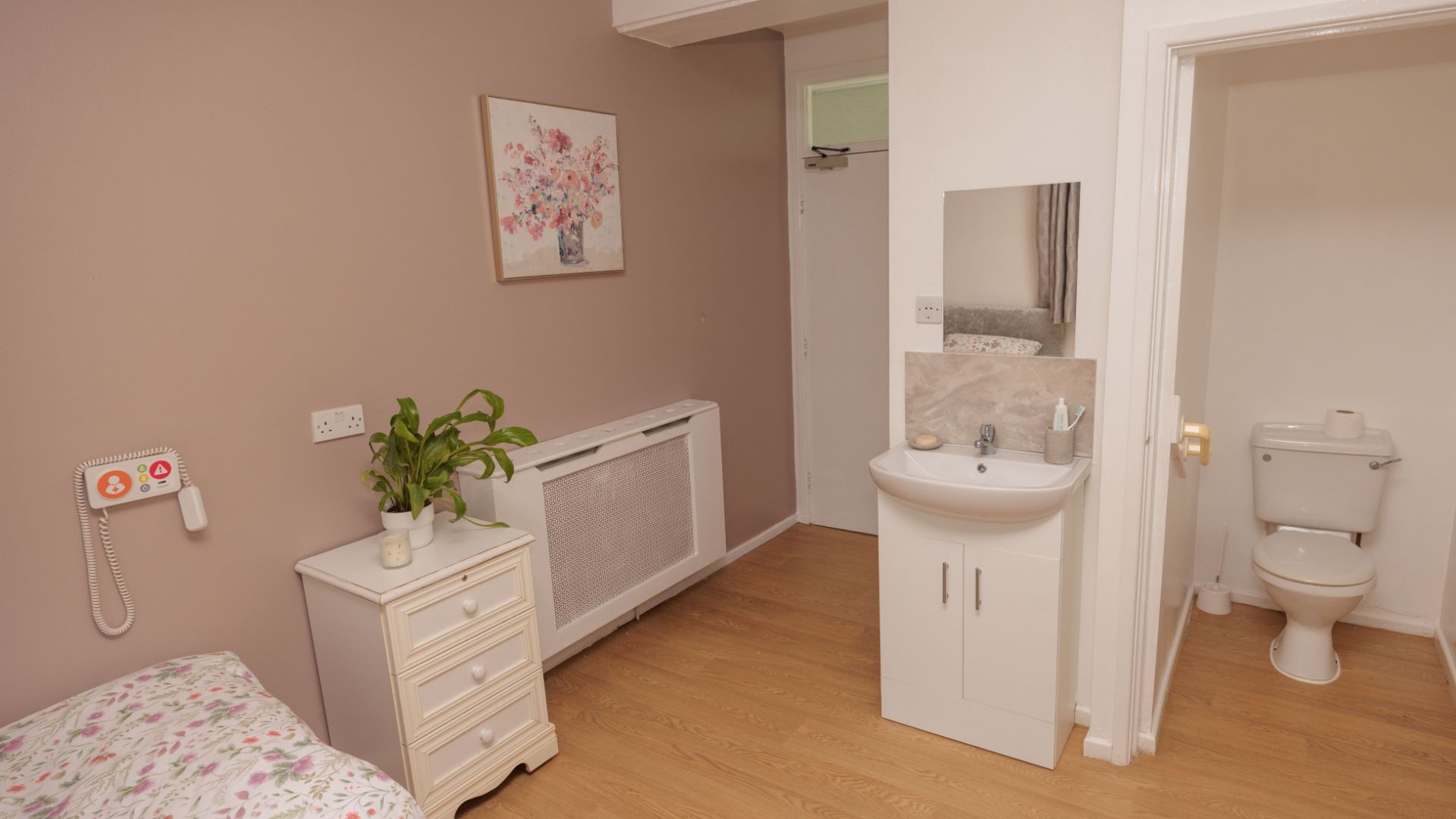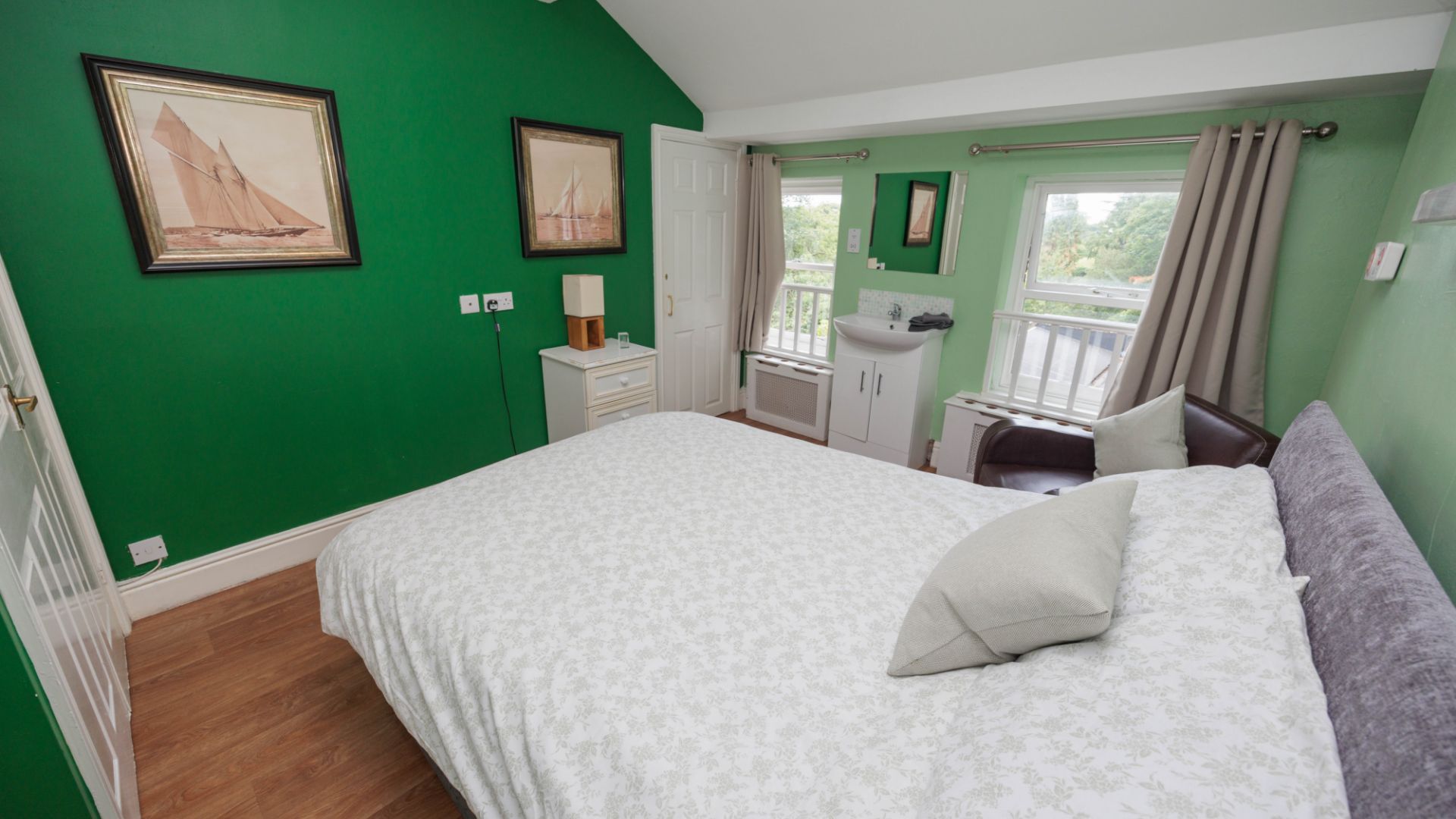


If you’ve reached the point of visiting a care home, you’re probably carrying a lot already. Most families arrive with a list of practical questions — about rooms, facilities, and availability. Those things matter. But they rarely tell you what life will actually feel like for your loved one. This guide focuses on the questions […]

If you’ve reached the point of visiting a care home, you’re probably carrying a lot already.
Most families arrive with a list of practical questions — about rooms, facilities, and availability. Those things matter. But they rarely tell you what life will actually feel like for your loved one.
This guide focuses on the questions that help families make clearer, calmer decisions — especially when you’re looking for residential or dementia care in Gee Cross or Hyde.
When families visit a care home for the first time, they often ask about:
These are reasonable questions. But most care homes will give similar answers.
What really matters is how care is delivered day to day — especially when things don’t go to plan.
These questions may feel harder to ask, but they give you a much clearer picture of what living there would actually be like.
You’re listening for specific examples, not general promises.
Good care homes will talk about small changes — appetite, mood, sleep, behaviour — and how staff share those observations across the team.
Ask how often you’ll hear from them, and what happens if something changes.
Clear answers suggest joined-up care. Vague answers often don’t.
Everyone has bad days — especially people living with dementia.
A good home won’t pretend otherwise. They’ll explain how they respond calmly, who gets involved, and how families are kept in the loop.
Listen for talk of consistency, key staff, and routines.
Care works best when people aren’t treated as tasks to complete, but as individuals with habits, preferences, and history.
It’s not just what is said — it’s how it’s said.
As you listen, ask yourself:
Confidence in care often sounds calm and straightforward, not polished or defensive.
Sometimes the most important information isn’t spoken.
As you walk around, notice:
Trust your instincts. If something feels off, it usually is.
Families often apologise for saying this, but it’s true: how a place feels matters.
If a home feels calm, warm, and welcoming, that’s important. If it feels rushed, noisy, or performative, that matters too.
You’re not just choosing a building — you’re choosing the people who will be there every day.
If you’re visiting homes locally, take your time. Ask the awkward questions. Sit quietly if you need to. Notice how you feel when you leave.
Speaking to a care home doesn’t mean you have to decide straight away. It simply helps you understand what good care looks like — and what doesn’t.
When families leave a visit feeling steadier than when they arrived, that’s often a sign they’ve found the right kind of place.
Alongside your visits, it’s worth reading each home’s latest inspection report — you can read Polebank Hall’s on the Care Quality Commission website. And if you’re still weighing up what’s available locally, our guide to care options in Gee Cross and Hyde explains the choices.
This article is written to support families looking for residential or dementia care in Gee Cross and Hyde. It’s here to help you ask better questions — and feel more confident about the answers. Get in touch if you need to ask any questions, or, just need some advice.
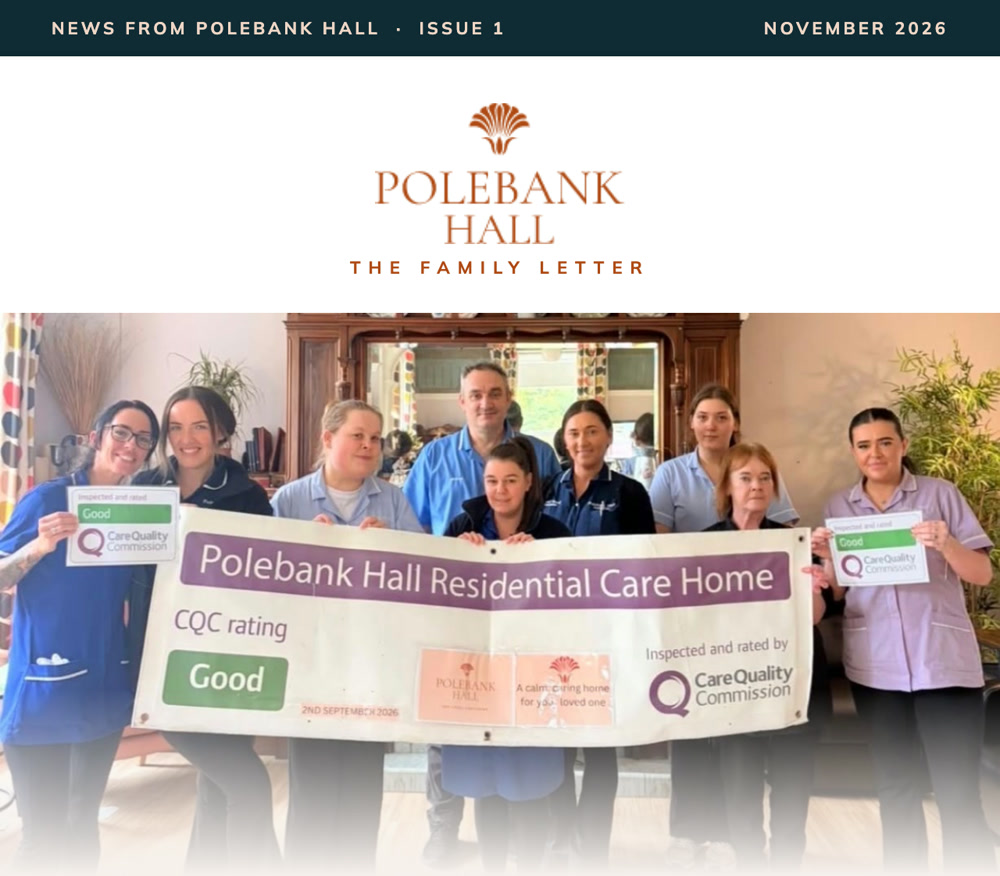
The Family Letter
Enjoyed this? Get the next issue
News from around Polebank Hall, plus more articles like this one, once a month from Sarah and the team. About two minutes to read.
You can unsubscribe at any time. Read our privacy policy.