

What respite care involves around Hyde and Gee Cross, how quickly a short stay can start, what it costs, what help is available, and how to raise it with someone who says they are fine.
You have been managing for months. The shopping, the medication, the phone calls at eleven at night. You are shattered, and you have started to wonder how long you can keep this up.
So you mention a short stay. Just a fortnight. And your mum says the same thing she always says.
“I’m fine.”
If that is where you are, this is for you. Not how a short stay works, which we cover in our guide to respite care in Hyde, but the bit nobody warns you about: how to have the conversation without it turning into a row.
You can have a list as long as your arm. The fall in March. The saucepan left on the hob. The fact that she has not been further than the front gate since Easter.
None of it will land, because you are having two different conversations. You are talking about safety. She is hearing that she is finished.
For most people of that generation, needing looking after is not a practical problem. It is a loss of standing. Of being the one who coped. Once you understand that “I’m fine” means “I am still me”, the whole thing gets easier to approach.
Arriving with a decision already made. If the brochures come out before the conversation does, it stops being a discussion and becomes something being done to them.
Listing the evidence. Every example you give is another thing they have failed at. You will win the argument and lose the person.
Ganging up. Three of you round the table with a plan feels like an ambush, however kindly it is meant.
Doing it in a crisis. A conversation in a hospital corridor at nine at night is not a conversation. It is a decision made under pressure, and it usually gets resented later.
Make it about you, not them. “I am shattered and I need a fortnight” lands very differently from “you need looking after”. Both can be true, but only one of them is easy to agree to. Most parents will do something for their child that they would never accept for themselves.
Give it a shape and an end. “Two weeks in October, then home” is a plan. “A stay in a home” sounds like a one way trip. Put a date on it and put the coming home in the same sentence.
Visit together first, with no obligation. Most of the fear is of the unknown, and the unknown is always worse. Half an hour in a real building, with real people in it and a brew in their hand, does more than any amount of persuading. Plenty of people change their mind in the car park.
Let someone else say it. A GP, a district nurse, a brother who lives away. Sometimes the same sentence from a different mouth is the one that gets heard.
Do not push for a decision on the day. Say your piece, then leave it. Come back to it in a week. It nearly always lands better the second time, once they have had a chance to think it through without an audience.
It often is, the first time. That is not a failure, and it does not mean you were wrong to ask.
If your mum has the capacity to make her own decisions, then the decision is hers, even if you think it is the wrong one. What you can do is keep the door open. Leave the idea in the room. Say you will ask again after Christmas.
What you should not do is carry on until you are ill yourself. If you are at the end of your rope, say so plainly, to her and to her GP. A carer who collapses helps nobody, and that is not a threat, it is just true.
If the conversation keeps stalling, our piece on why families delay care and what usually happens next may be a useful read.
Sometimes events overtake the conversation. A fall, a chest infection, a hospital stay where the ward says she cannot go straight home.
If that happens, a short stay stops being something to be talked into and becomes the obvious next step. It is worth knowing in advance which homes near you take people at short notice, so you are not ringing round from a ward corridor. We keep rooms for exactly this, and we can usually talk you through it the same day.
Worth being clear, because people picture something far worse than it is.
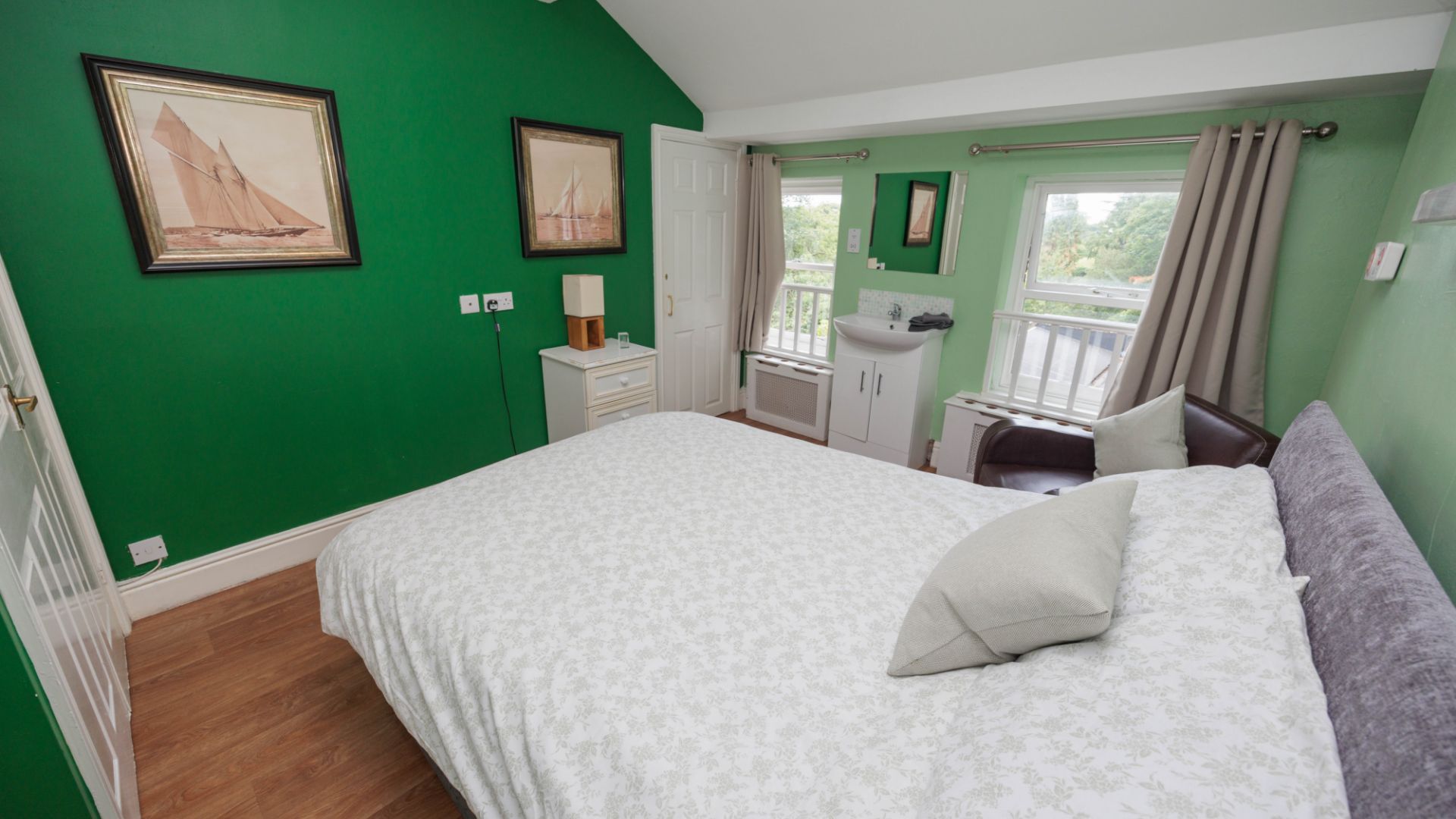
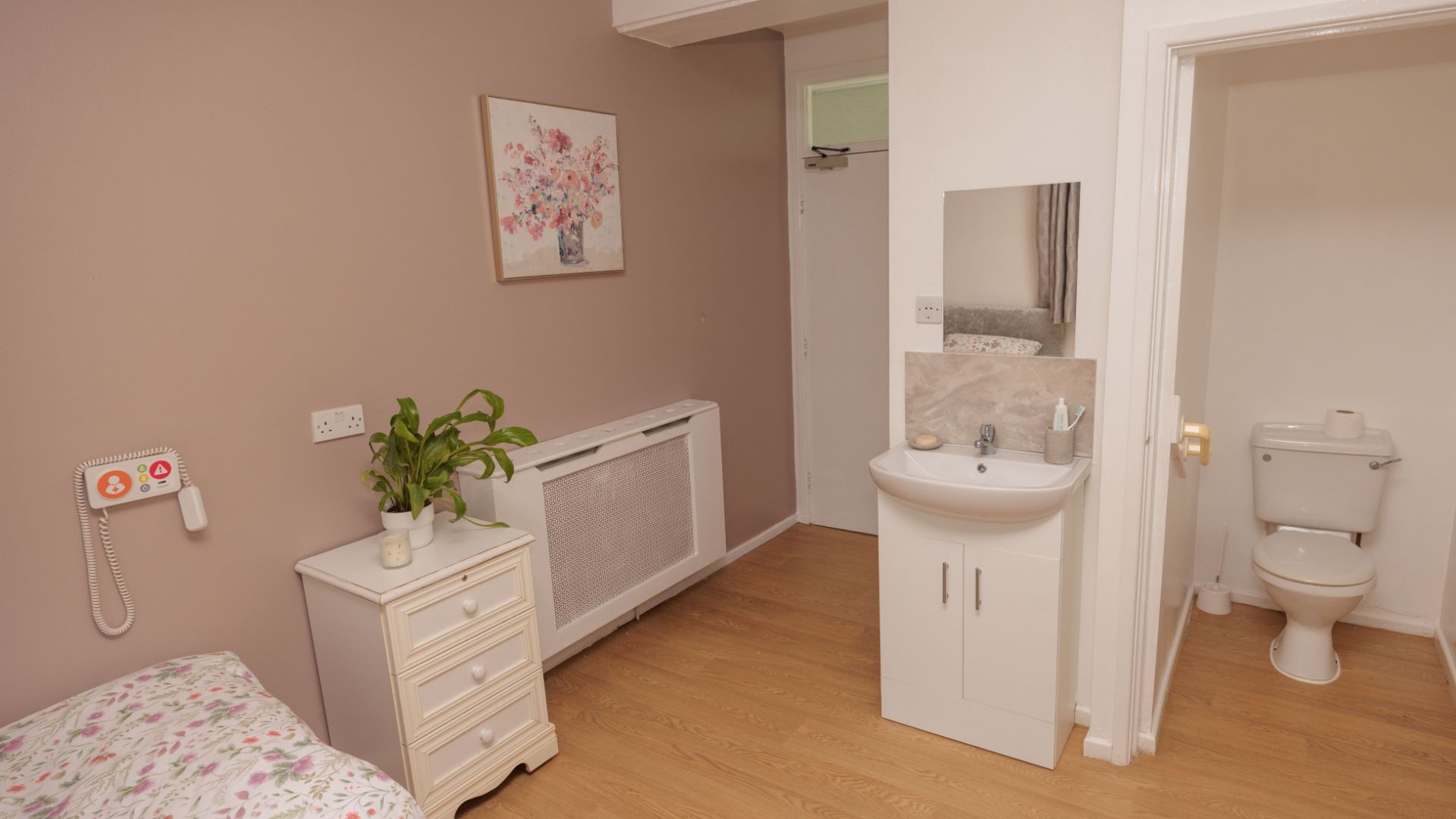
A short stay is a few weeks in a room of their own, with meals cooked, medication sorted and company if they want it. They bring their own things. They can come and go. Families visit whenever. Then they go home.
That is it. If you want the detail on how long a stay can be, what it costs and how quickly one can start, it is all in our respite care guide, or on our short stay and respite care page.
No, and you should not try. If she can make and understand the decision, it is hers to make. What you can do is ask again later, ask her GP to raise it, and be honest with her about how you are coping.
No. Carer breakdown is one of the most common reasons a planned stay turns into a permanent one. Taking a fortnight now is often what makes it possible to carry on for another year.
Then she comes home at the end of the stay, as planned. That is the point of a short stay. Most people settle within a few days once the routine is familiar, but nobody is trapped.
Be honest, but do not borrow trouble. If the plan is two weeks, say two weeks. If you are privately hoping it leads to more, that is a conversation for later, and only if it turns out she likes it.
Yes, and we would rather she did. Come at a normal time of day, not a showpiece hour. Have a brew, see the place working, talk to whoever is about.
Ring us. We are not going to push you into anything, and if a short stay is not the right answer we will say so.
Polebank Hall is a residential home in Gee Cross, on the edge of Hyde and a short drive from Stockport. We arrange short stays all year round, and a good number of them start with exactly the conversation this piece is about.
If you are stuck, ring us on 0161 368 2171 or get in touch here. We will tell you honestly whether we can help and what it would cost. Bring your mum for a look round if she will come, and if she will not, come on your own first. Plenty of people do.
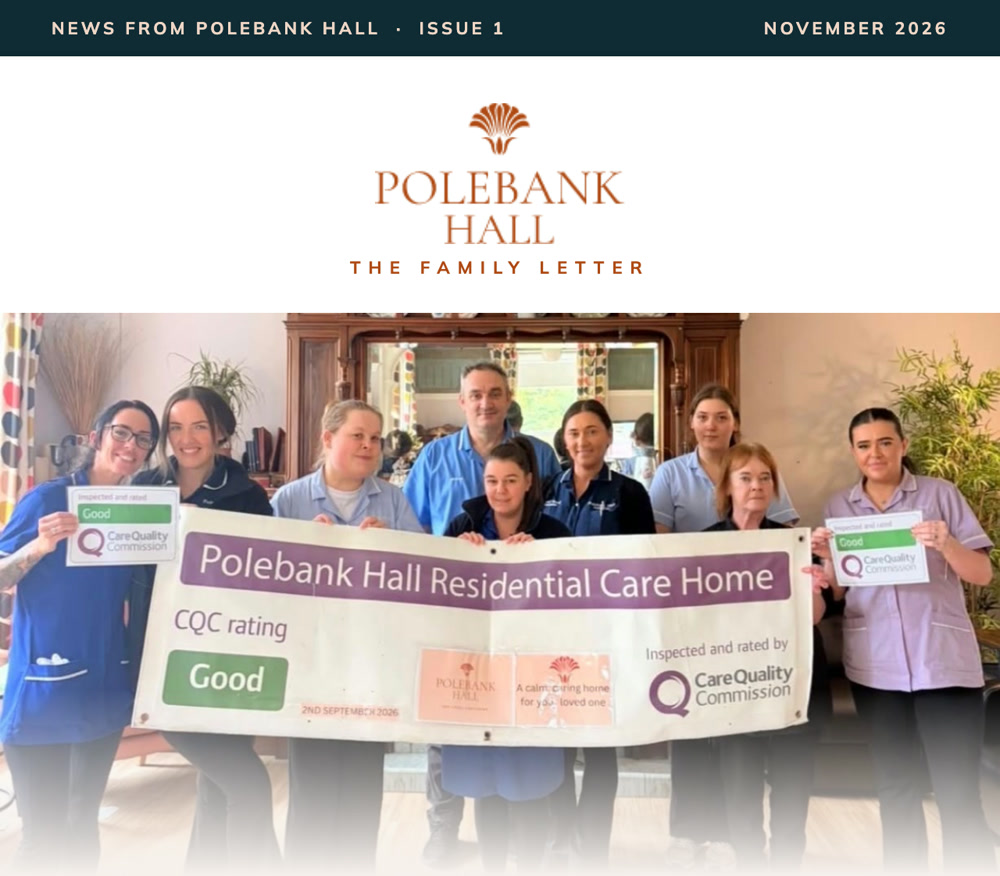
The Family Letter
Enjoyed this? Get the next issue
News from around Polebank Hall, plus more articles like this one, once a month from Sarah and the team. About two minutes to read.
You can unsubscribe at any time. Read our privacy policy.