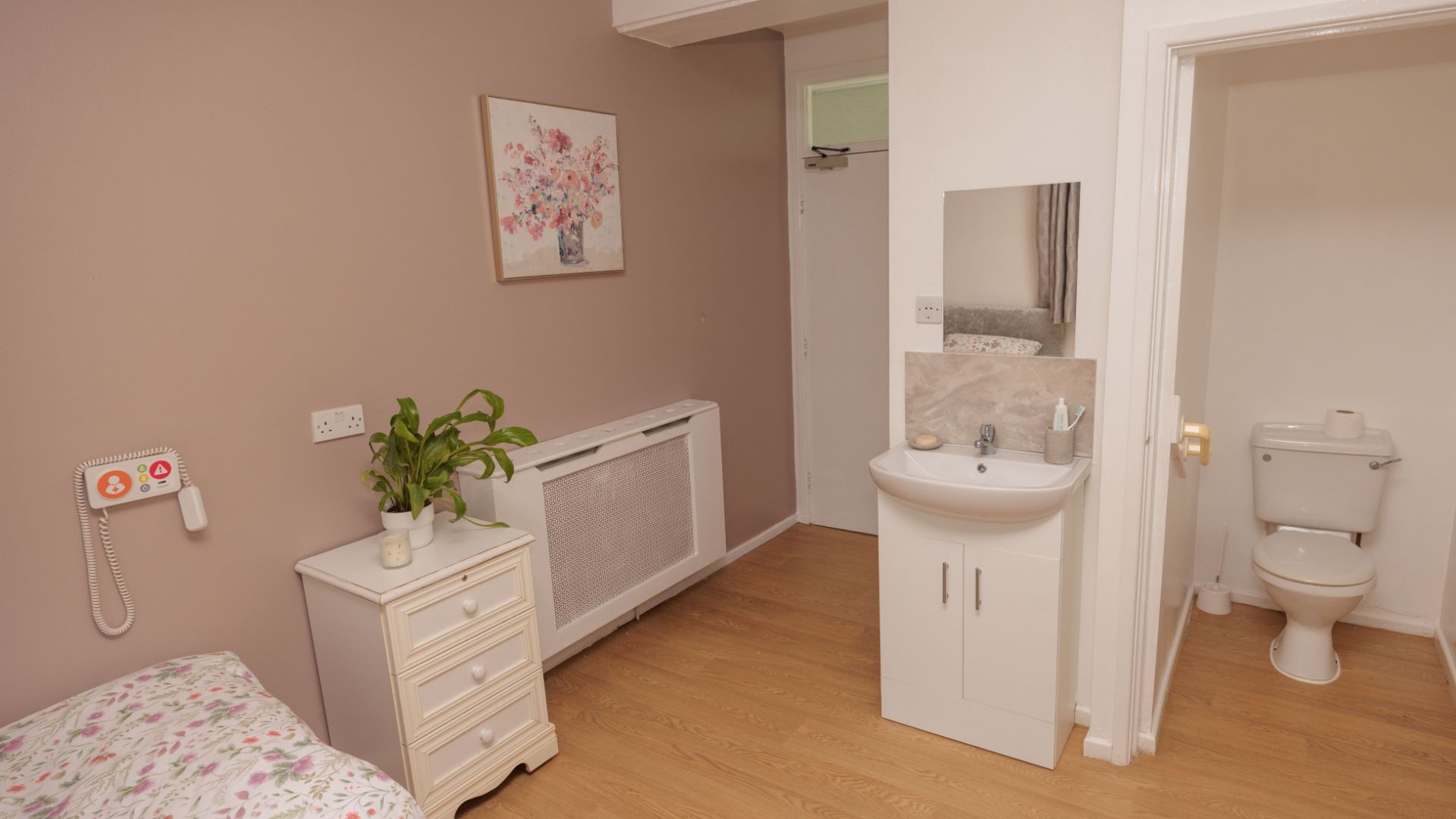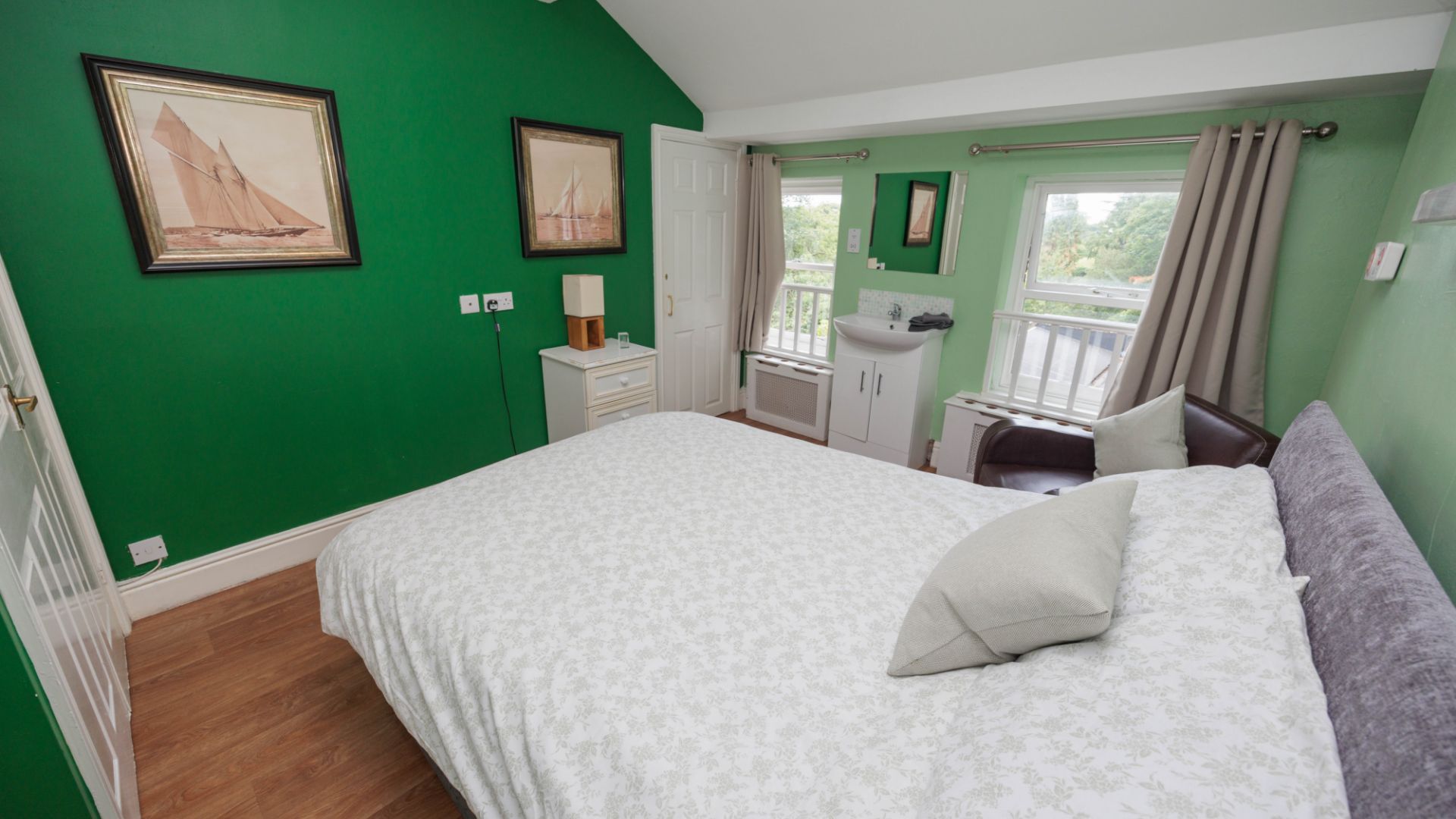


If you’re looking for care in Gee Cross or Hyde, it’s likely not something you planned for. Most families arrive here after a gradual build-up — or a sudden change. A fall. A hospital stay. Dementia progressing faster than expected. Or simply reaching the point where coping at home no longer feels safe or sustainable. […]
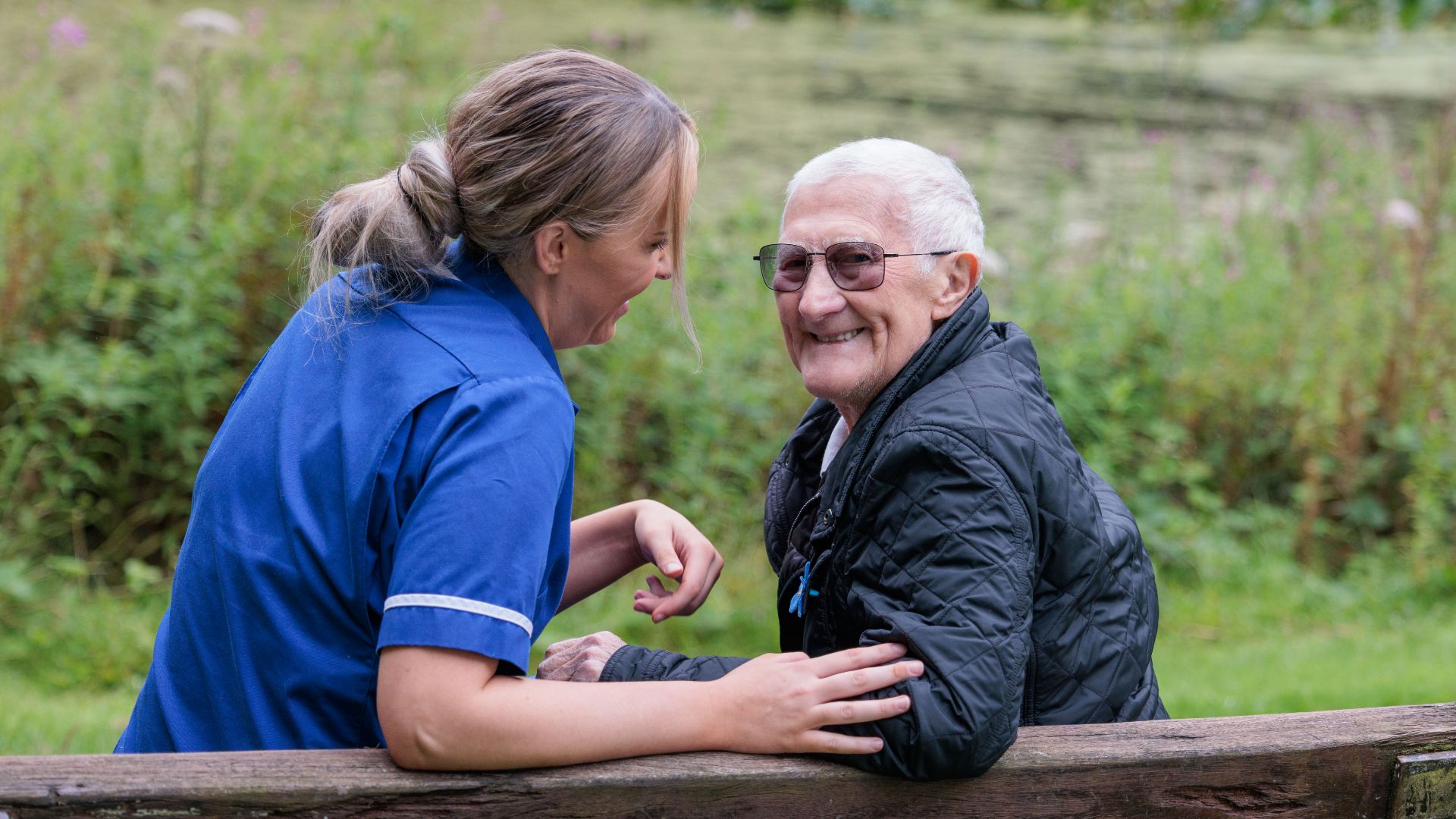
If you’re looking for care in Gee Cross or Hyde, it’s likely not something you planned for.
Most families arrive here after a gradual build-up — or a sudden change. A fall. A hospital stay. Dementia progressing faster than expected. Or simply reaching the point where coping at home no longer feels safe or sustainable.
This guide is here to explain the care options in Gee Cross and Hyde clearly, without jargon, and help you understand what might suit your situation best.
When families first start looking for care, they often focus on availability. Location can feel secondary.
In reality, being local makes a real difference.
Care close to home means:
For many people, staying within Gee Cross or Hyde helps care feel like a continuation of life — not a complete break from it.
Understanding the different care options can help you avoid choosing something that won’t meet needs as they change.
Residential care provides day-to-day support with personal care, medication, meals, and daily routines.
It suits people who can no longer manage safely at home but don’t need round-the-clock nursing care. The focus is on support, comfort, and everyday living.
Dementia care supports people living with memory loss, confusion, and changes in behaviour.
Good dementia care is calm, familiar, and structured around routines. It supports people from early stages through to more advanced needs, adapting as dementia progresses.
Not all care homes are equipped to provide dementia care — it’s important to check this early.
Some homes can support additional needs such as Parkinson’s disease, stroke recovery, acquired brain injury (ABI), breathing conditions, or mobility-related needs.
This type of care requires experience, consistency, and good communication with families and healthcare professionals.
Short-term care can support recovery after illness or hospital discharge, or provide a temporary break for family carers.
Day care offers support and social connection during the day, while allowing people to remain living at home.
Families we speak to locally often share the same concerns and assumptions.
Some believe:
In reality, the right care can reduce distress, improve safety, and bring stability — especially when introduced before crisis.
Funding is often one of the most confusing parts of the process.
In simple terms:
Assessments look at both care needs and finances. Even if funding support isn’t available, an assessment can still provide clarity about what level of care is needed.
Local homes are used to helping families navigate this process and signposting where needed.
The NHS explains how care needs assessments work, and Tameside Council’s adult social care team can arrange one.
If you’re feeling stuck, it can help to take one small step rather than trying to solve everything at once.
That might mean:
A good care home will give you information without pressure — helping you think things through at your own pace.
If a visit feels like the right next step, our guide to the questions families should ask when visiting a care home may help — or simply get in touch with the team at Polebank Hall.
Looking for care in Gee Cross or Hyde often comes with mixed emotions — worry, guilt, and relief all at once.
You don’t need to have everything figured out before you ask for help. Sometimes, talking things through with people who understand the local area and the realities of care can make the next steps feel clearer.
This article is written to support families exploring residential and dementia care options in Gee Cross and Hyde. It’s intended to provide clarity, not pressure — and to help you make decisions with confidence.
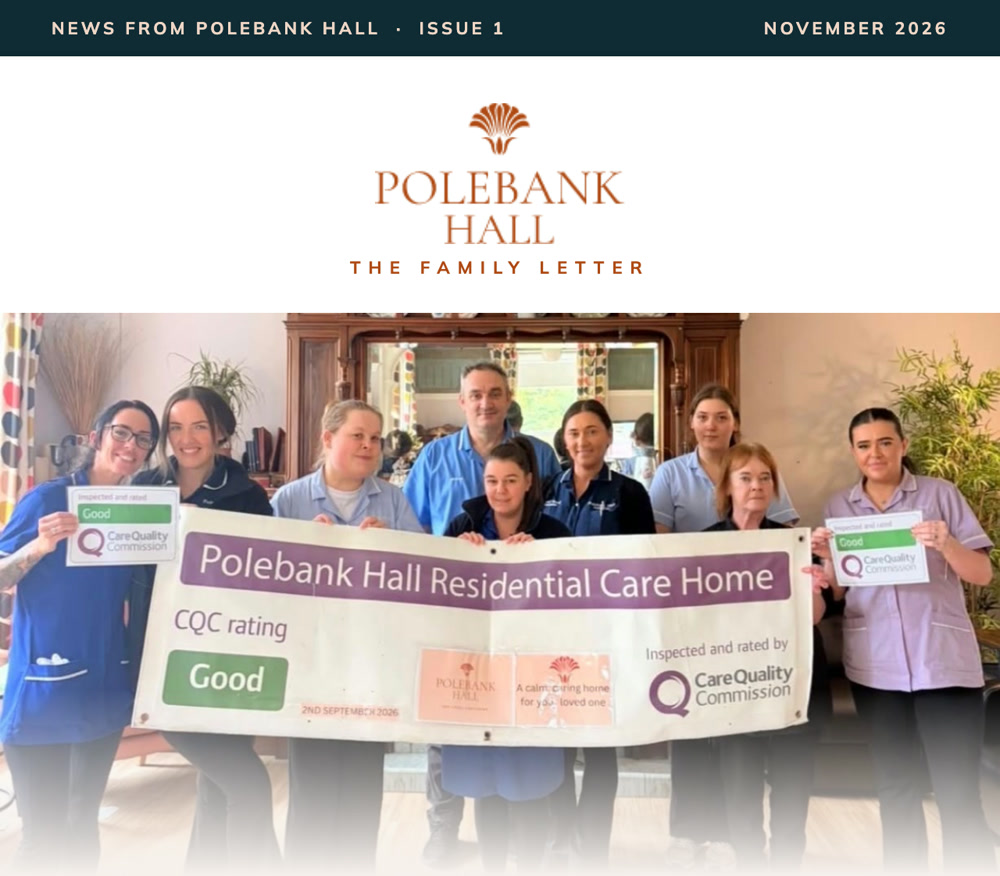
The Family Letter
Enjoyed this? Get the next issue
News from around Polebank Hall, plus more articles like this one, once a month from Sarah and the team. About two minutes to read.
You can unsubscribe at any time. Read our privacy policy.