

Moving a loved one into care is a huge step. What families often notice afterwards: a calmer pace, a changed relationship and real peace of mind.

Moving a loved one into care is one of the most emotional decisions a family can make. For many people, it comes after months — sometimes years — of worry, exhaustion, and trying to manage everything at home.
Even when families know it’s the right time, there’s often guilt, uncertainty, and fear of the unknown. Questions like “Will they settle?” or “Will they feel abandoned?” are incredibly common.
But something we often hear from families after the move is this:
“We wish we’d done it sooner.”
Not because they stopped caring — quite the opposite. But because they finally saw their loved one become calmer, safer, and more settled again.
One of the first things families notice after moving a loved one into care is the change in pace.
At home, daily life can become stressful and unpredictable when someone is living with dementia. Routines become difficult, sleep is disrupted, and even small tasks can feel overwhelming.
In a calm care environment, life often starts to feel steadier again.
At Polebank Hall, we believe not every day needs to be busy or loud. Some residents enjoy conversation in the lounge, while others prefer a quieter afternoon looking out over the gardens and pond with a cup of tea.
That slower, gentler pace can make a real difference to someone living with dementia.
Dementia can create confusion, anxiety, and distress — especially when someone is struggling to manage safely at home.
Families often tell us they notice their loved one becoming calmer after settling into care.
This can happen for many reasons:
According to the Alzheimer’s Society, familiar routines and calm environments can help reduce distress for people living with dementia.
Sometimes it’s the small things that matter most — someone knowing how they like their tea, recognising when they need quiet time, or simply sitting with them when they feel unsettled.
Another thing many families notice after moving a loved one into care is how their relationship begins to change.
Before the move, family members are often trying to do everything themselves — managing medications, appointments, meals, personal care, sleepless nights, and constant worry.
Over time, that can become physically and emotionally exhausting.
After settling into care, many relatives say they feel able to become a daughter, son, husband, or wife again — instead of a full-time carer.
Visits become less about stress and more about spending meaningful time together.
Safety is one of the biggest concerns for families living with dementia at home.
Wandering, falls, confusion during the night, or forgetting to eat and drink can become increasingly difficult to manage alone.
Knowing someone is safe, supported, and surrounded by experienced carers can bring enormous peace of mind.
At Polebank Hall, many of our team members have been here for a long time. That consistency means staff genuinely know our residents — their personalities, routines, preferences, and what helps them feel comfortable.
For people living with dementia, familiar faces and trusted relationships matter.
One of the biggest fears families have is that moving into care means losing independence, personality, or joy.
But good dementia care should never feel clinical or impersonal.
Life continues — just with more support around it.
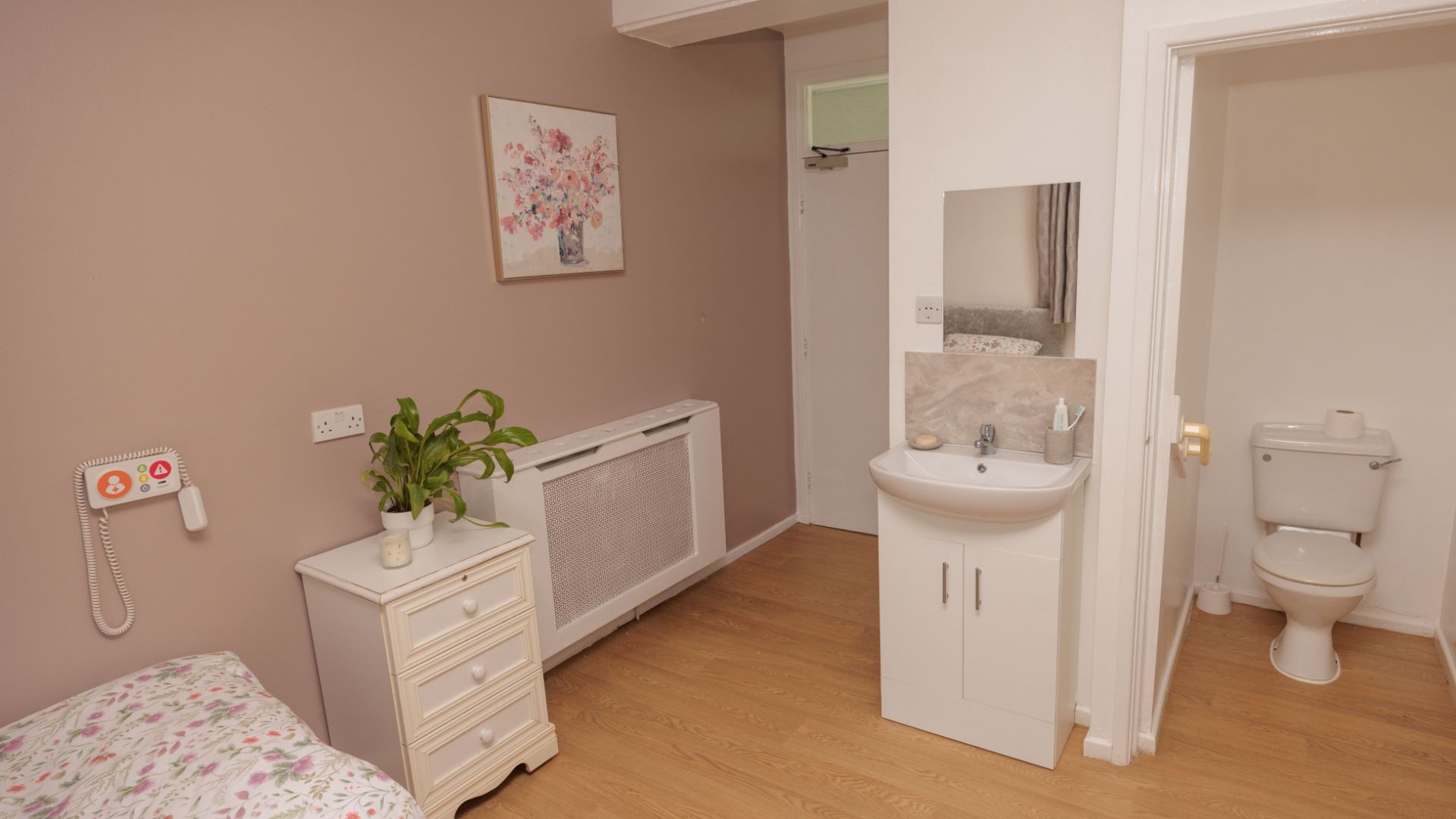
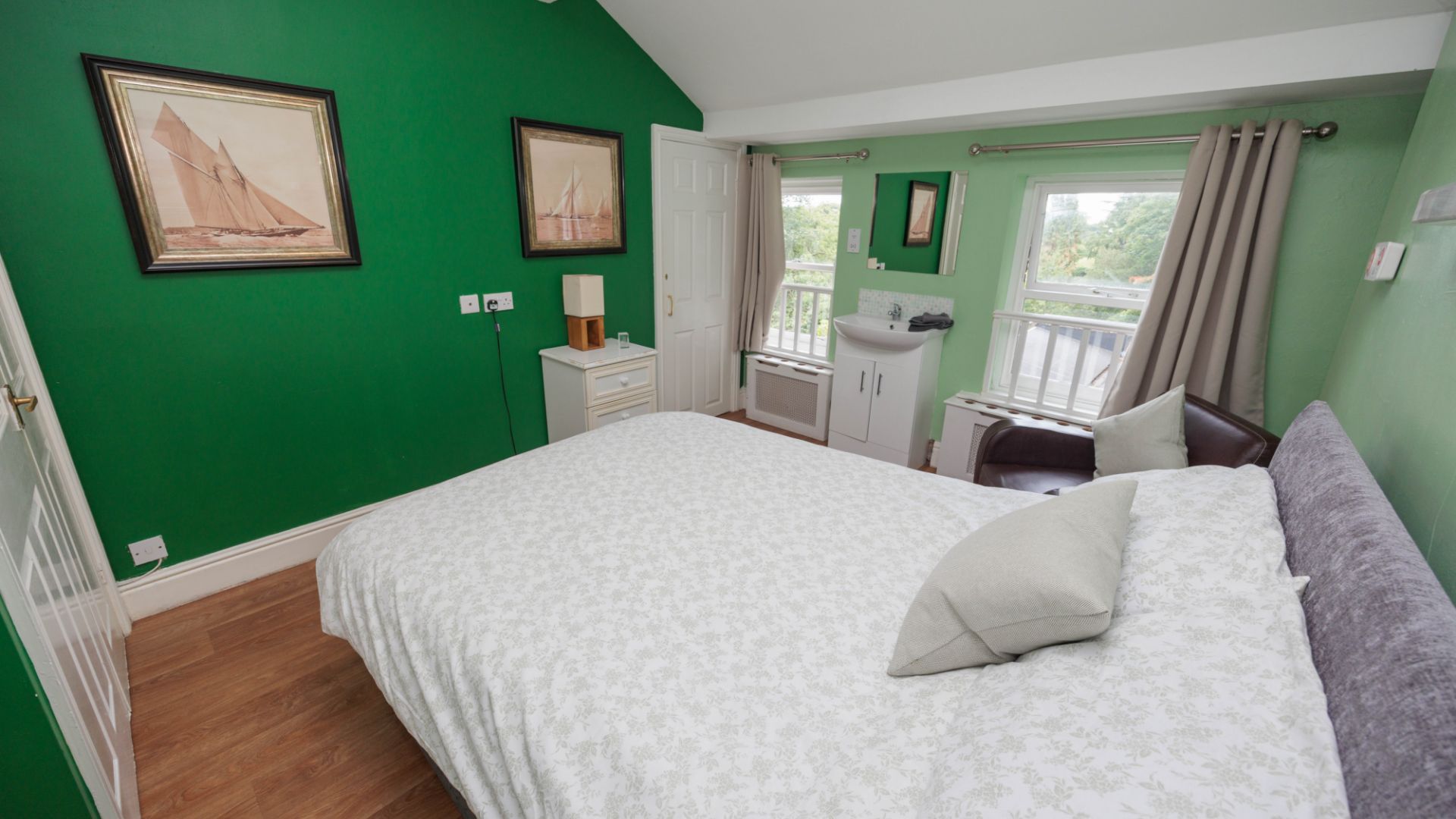
At Polebank Hall, residents can enjoy peaceful walks in the grounds, quiet moments by the pond, conversations over lunch, or simply time to relax in surroundings that feel homely and calm.
Not everyone wants organised activities all day long. Some people simply enjoy familiar routines, comfortable spaces, and feeling secure.
That’s what real care looks like.
Even when families begin to notice positive changes, feelings of guilt can still remain.
That’s completely normal.
Moving someone into dementia care is never an easy decision. But needing support doesn’t mean you’ve failed. In many cases, it means your loved one now needs a level of care, routine, and reassurance that’s difficult to provide at home alone.
And sometimes, making that decision is one of the most caring things a family can do.
Every care home feels different.
For many families, the right home isn’t necessarily the busiest or the most polished — it’s the one that feels warm, genuine, and calm.
At Polebank Hall Care Home, we focus on creating an environment where residents feel comfortable, respected, and truly known as individuals.
From our peaceful surroundings to our experienced long-standing team, everything is centred around helping residents feel safe, settled, and at home.
If you’re thinking about moving a loved one into care, it’s understandable to feel emotional, uncertain, or overwhelmed.
But you don’t have to navigate it alone.
Many families who walk through our doors have had the very same worries and questions. Often, what they discover afterwards is not guilt or regret — but relief, reassurance, and the comfort of knowing their loved one is being cared for well.
If you’d like to visit Polebank Hall or simply have an honest conversation about care, we’re always here for a chat.
The Family Letter
Enjoyed this? Get the next issue
News from around Polebank Hall, plus more articles like this one, once a month from Sarah and the team. About two minutes to read.
You can unsubscribe at any time. Read our privacy policy.