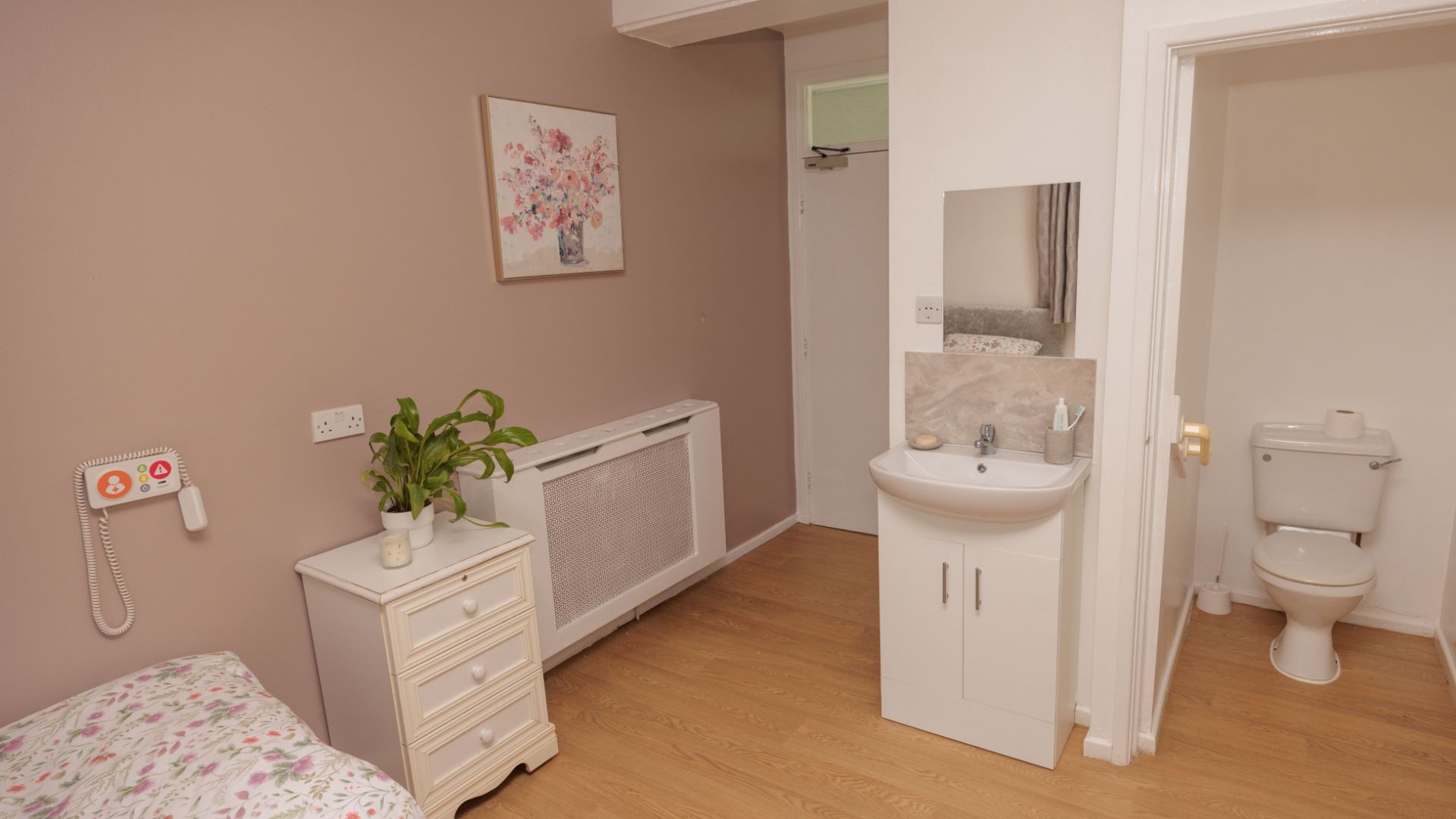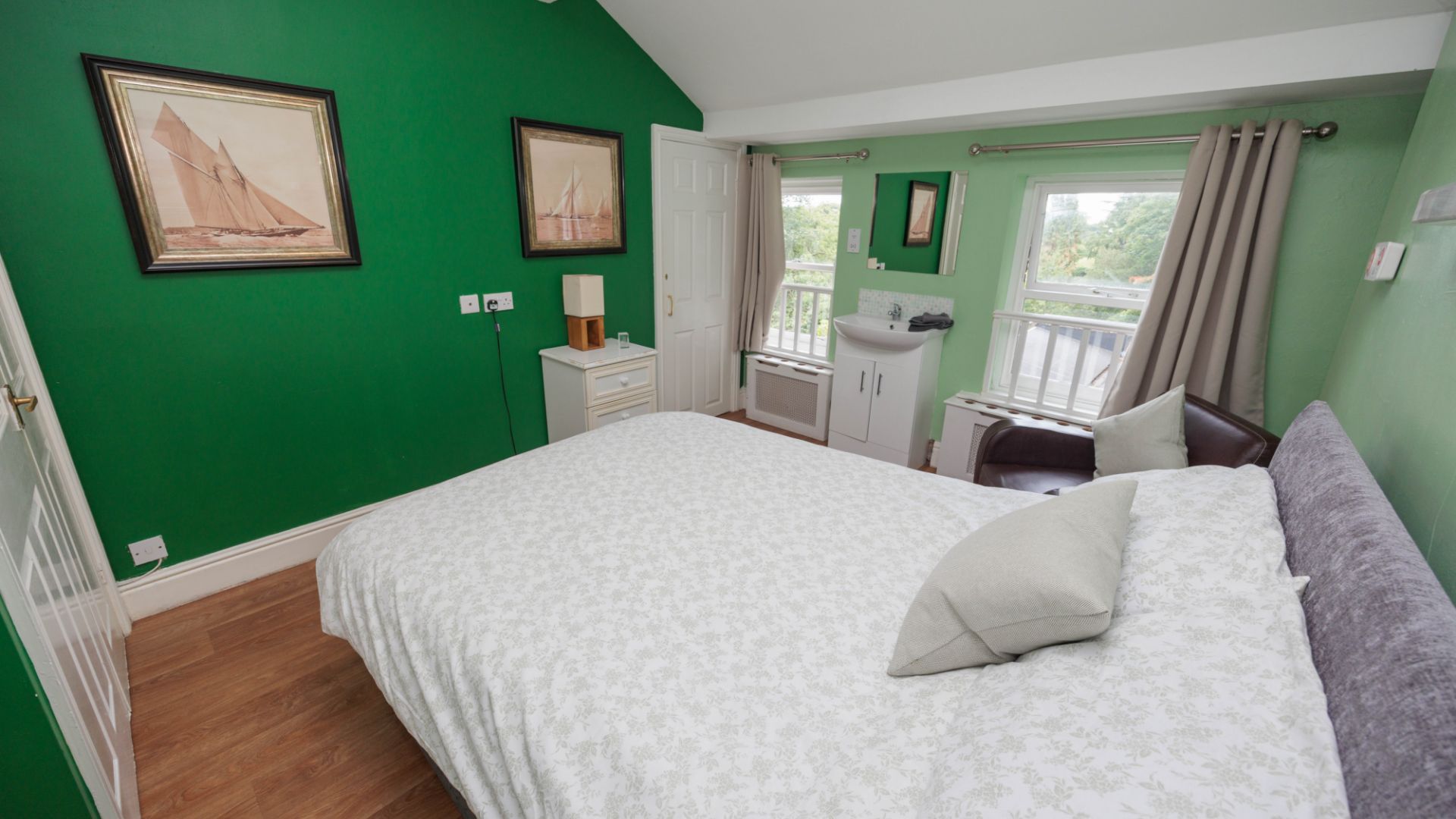


Most families come to us at the point where something has to change, but nobody wants it to be a move. Mum is fine in herself, but the days are long and quiet. Dad has stopped going out since the bus route changed. You are working, or you are worn out, or both, and the […]
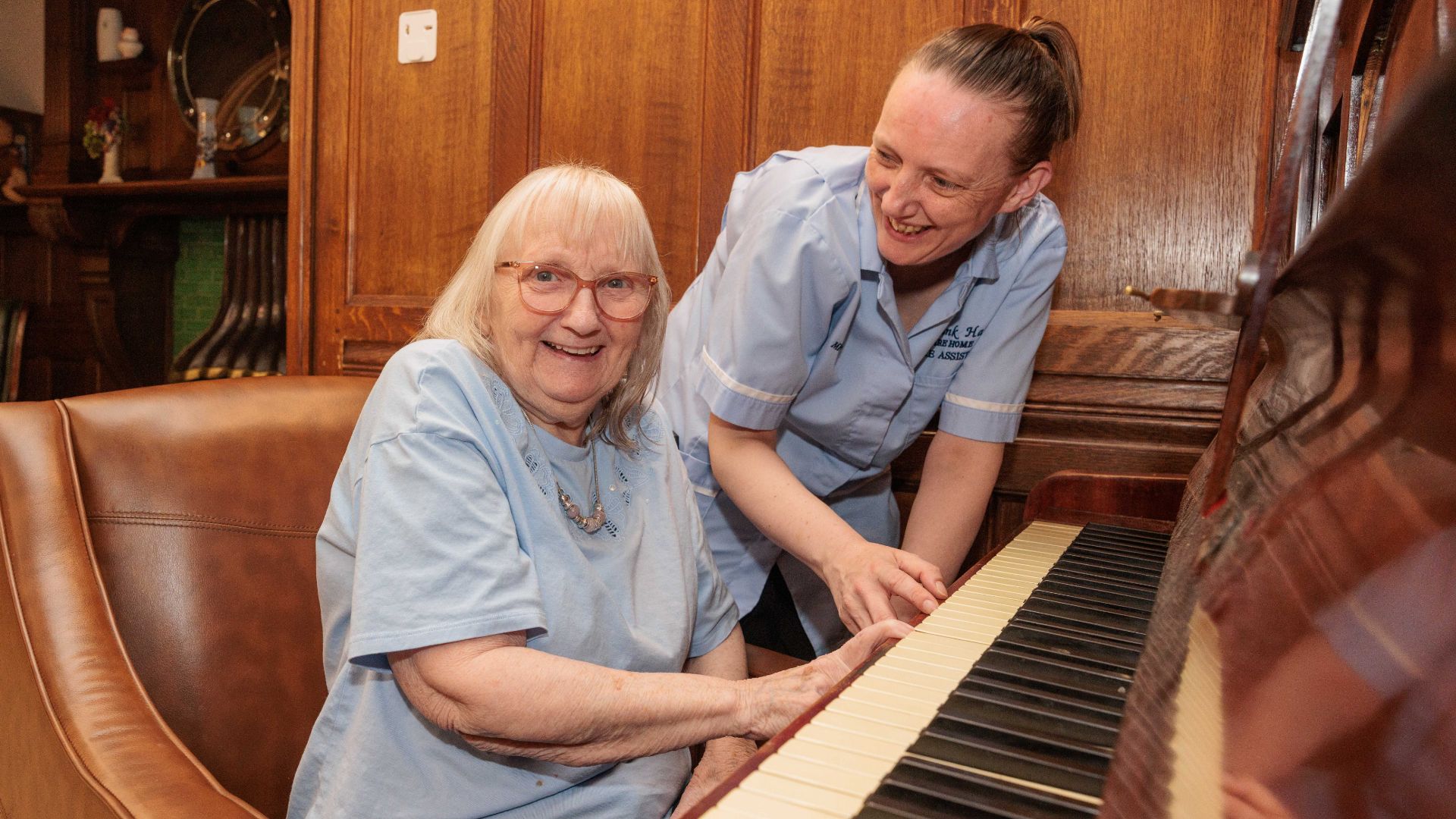
Most families come to us at the point where something has to change, but nobody wants it to be a move. Mum is fine in herself, but the days are long and quiet. Dad has stopped going out since the bus route changed. You are working, or you are worn out, or both, and the guilt of leaving someone on their own all day has started to sit on your chest.
Day care is the option that often gets overlooked in that gap. Someone comes to the home for the day, joins in, has a hot meal and some company, and goes back to their own bed at night. Nothing is given up. Nothing is signed away.
This is how day care at Polebank Hall works, who it suits, and the questions worth asking before you arrange it, whether you are in Gee Cross, Hyde, or further across Tameside and Stockport.
A day guest arrives in the morning and spends the day in the home exactly as a resident would. Company, activities, music, games, a chat in the lounge, time in the gardens. A hot, home-cooked lunch and refreshments through the day. A hand with personal care or medication if that is needed, given quietly and without fuss. Then home again in the evening.
It is not a waiting room and it is not a club that runs to a rigid timetable. People join in with what they fancy and leave alone what they do not. Some days that means the activity in the lounge, some days it means the library, the gardens, or sitting with the home cat and watching the world go by.
In our experience day care works best for four sorts of situation.
For many of the families we look after, day care was the first step, and its real value only became obvious later.
When a move does eventually happen, and for most people it eventually does, it is completely different for someone who already knows the building, the staff, the routine and where the lounge is. They are not arriving somewhere strange at the worst moment of their life. They are going somewhere familiar.
That matters even more where there is memory loss. Familiarity is the thing that does the heavy lifting in dementia care, and it cannot be created on the day of a move. It has to be built beforehand. A day a week for a few months builds it quietly, without anyone having to have a difficult conversation about it.
It works the other way too. Day care gives you a proper look at us. Not a tour at a time we have chosen, with everything tidy, but ordinary days, repeatedly. If we are not right for your family, you will know without having committed to anything.
These three get muddled, so here is the short version.
They are not a ladder you have to climb, and plenty of people use day care for years without anything else changing. But when needs do increase, moving from day care to a short stay, and from a short stay to a permanent room, is a much gentler path than going straight from home to permanent care in a week because something has gone wrong. If you want the detail on the middle step, our guide to respite care in Hyde covers how a short stay works.
The word “care” does a lot of damage in these conversations. It suggests decline, and it puts people on the defensive before you have finished the sentence.
Most of the families who get this right do not lead with care at all. They lead with lunch, or with company, or with the fact that they themselves need a hand. “Would you come with me and have a look, and tell me what you think of it” asks for an opinion rather than a concession, and it is a much easier thing to say yes to.
It also helps to make it small. One day. Not a commitment, not a decision, not a trial with an outcome attached. Just a Tuesday.
That last one is not a small question. Day care only works if it actually happens every week, and transport is the thing that quietly stops it happening.
Day care is daytime support in a care home setting. Someone arrives in the morning, spends the day with company, activities and a hot meal, gets help with personal care or medication if they need it, and goes home in the evening. It is not a move, and nothing is given up.
It suits older people who are isolated or lonely at home, anyone who would enjoy company and a change of scene, families who need some hours back in the day to work or rest, and people who are easing gently towards the idea of care at their own pace. It also suits anyone who wants company but wants to sleep in their own bed.
Yes. Familiar faces, a familiar building and a steady routine are exactly what helps most with memory loss, and day care builds all three gradually rather than all at once. Ring us and tell us what the situation is at home, and we will be straight with you about whether we are the right fit.
Days are flexible, from one day a week to several, arranged around what suits you. Availability varies, so it is worth ringing to ask what we can currently offer rather than assuming.
Yes, and for many families that is exactly how it goes. Because the person already knows the home, the staff and the routine, a short stay or a permanent room later feels like going somewhere familiar rather than starting again somewhere strange.
Polebank Hall is on Stockport Road in Gee Cross, Hyde, SK14 5EZ. We take day guests from across Hyde and Gee Cross, Stockport, Denton and Audenshaw, Bredbury and Romiley, Marple, Woodley and Reddish, Offerton and Hazel Grove, and more widely across Tameside and Greater Manchester.
The honest way to find out whether day care suits someone is to come and look, ideally together, on an ordinary day. Ring us on 0161 368 2171 or send us a message, and we will tell you plainly what we can offer and when.

The Family Letter
Enjoyed this? Get the next issue
News from around Polebank Hall, plus more articles like this one, once a month from Sarah and the team. About two minutes to read.
You can unsubscribe at any time. Read our privacy policy.